Catchment · Upgrades · Filtration

Rainwater Harvesting Systems Design

Smarter rainwater catchment design and system upgrades to minimise contamination risk, capture cleaner water from the roof, and protect your household plumbing across the Coffs Coast.

Call 0467 856 442
Clean Water Starts at the Roof

Prevent Contamination Before It Ever Reaches Your Tank

Rainwater harvesting design is vital for ensuring safe access to drinking water and minimising health hazards associated with contaminated water sources.

Whether you’re building on a coastal or hinterland block, setting up off-grid water storage, or dealing with recurring sediment and leaf buildup in an older setup, we assess your whole roof-to-tap path and recommend practical improvements that keep your tank cleaner for longer.

  • Catchment & roof evaluation: Reviewing roof materials, pitch, guttering, leaf guards, and downpipe routing.
  • First-flush diverters & inlet screens: Keeping dust, bird droppings, insects, and organic debris out of your storage tank.
  • Honest filtration advice: Choosing practical sediment, carbon, or UV filtration tailored to how you use your rainwater.
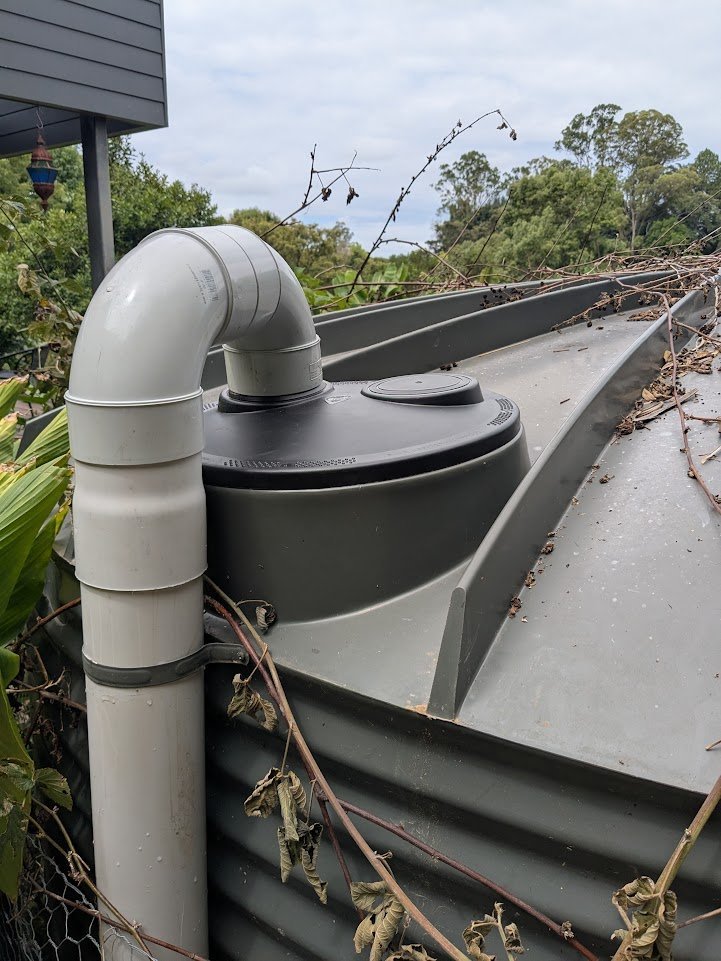
Residential poly rainwater tank inlet pipe and leaf strainer inspection on the Coffs Coast
How We Help

Design, Redesign & Filtration Guidance

The Design Process

The design process for rainwater harvesting typically begins with an assessment of the catchment area where rainwater is collected — evaluating the roof’s materials, slope, and size. Next, the design includes selecting appropriate storage tanks large enough to meet daily water needs, while incorporating filters and purification methods to ensure water quality. Each component is carefully considered to create a system that effectively collects and treats rainwater.
Redesigning Existing Systems

For properties with existing systems, a targeted redesign can maximise water collection efficiency and improve safety. Evaluating the current system for leaks, vermin entry points, or contamination sources is essential. Upgrading storage tanks, replacing worn screens, and adding first-flush diverters can significantly enhance the quality of collected rainwater — backed up by regular maintenance and inspections.

Should I Install a Filter?

Rainwater can be contaminated by various pollutants as it travels from rooftops to storage tanks — including leaf debris, bird droppings, and other organic matter. A well-designed rainwater harvesting system significantly reduces these potential contaminants. Installing a water filter on your rainwater tank further improves the safety and quality of your drinking water, and the reduced sediment also extends the life of taps, cisterns, and appliances throughout your home.

Complete Rainwater Care

Already have a tank in place? Keeping your storage tank clean and your inlets, screens, and first-flush diverters well maintained work hand in hand to deliver fresh, safe drinking water year-round.

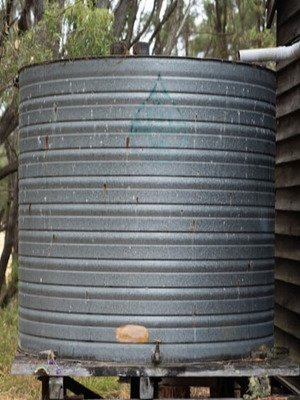
Corrugated rainwater tank catchment piping setup on a rural Coffs Coast property